
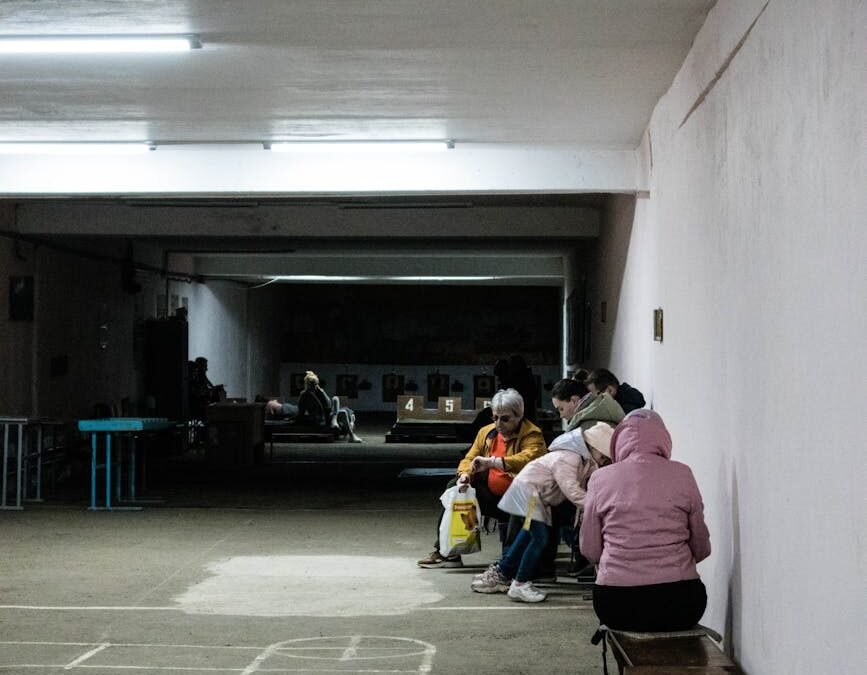
Understanding the Differences Between Asylum Seeker and Protected Person Status
The concepts of asylum seeker and protected person status are crucial in the realm of international protection, especially for those fleeing persecution. This article delves into the distinctions between these two statuses, providing clarity for immigrants, refugees, and those involved in humanitarian work. If you’re navigating the complexities of immigration services, particularly in Canada, this guide is tailored to help you understand the nuances and implications of each status.
In Canada, the process and criteria for obtaining asylum seeker or protected person status can be intricate and often misunderstood. This article will explore these differences, offering insights into eligibility, application procedures, and the rights associated with each status. Whether you’re an immigrant seeking protection or a professional working in immigration services, this comprehensive guide aims to enhance your understanding of these critical terms.
Key Facts
- According to Immigration, Refugees and Citizenship Canada (IRCC), an asylum seeker is someone who has applied for protection as a refugee but has not yet received a decision.
- Protected person status is granted to individuals recognized as refugees or persons in need of protection by the IRCC or the Immigration and Refugee Board (IRB).
- The 1951 Refugee Convention and its 1967 Protocol define a refugee as someone unable to return to their country due to a well-founded fear of persecution.
- Asylum seekers in Canada can apply for work authorization while their claim is being processed, as per IRCC guidelines.
- Canada’s refugee protection system includes both inland refugee claims and the Refugee Resettlement Program, as noted by the UNHCR.
Asylum Seeker Status
An asylum seeker is an individual who has fled their home country and is seeking international protection but whose claim for refugee status has not yet been determined. In Canada, asylum seekers must apply for refugee protection at a port of entry or an inland office. The process involves a thorough examination of their claim to ensure they meet the criteria set out by international law.
One common misconception is that all asylum seekers are automatically granted refugee status. However, the process is rigorous and requires substantial evidence of persecution or a well-founded fear of persecution in their home country. This process is overseen by the Immigration and Refugee Board (IRB) of Canada.
Asylum seekers are often confused with refugees; however, the primary difference lies in the status of their application. While asylum seekers await a decision, refugees have already been granted protection status. The distinction is crucial for understanding the rights and services available to each group.
Eligibility Criteria
To qualify as an asylum seeker in Canada, individuals must demonstrate that they are unable or unwilling to return to their home country due to a legitimate fear of persecution. This persecution must be based on race, religion, nationality, membership in a particular social group, or political opinion. The IRB assesses these claims thoroughly to ensure they meet the necessary criteria.
Application Process
The application process for asylum seekers in Canada involves submitting a claim at a port of entry or an IRCC office. Following submission, claimants receive an eligibility interview to determine whether their claim can be referred to the IRB. If eligible, the IRB conducts a hearing to evaluate the claim’s validity and decide on granting refugee protection.
Protected Person Status
Protected person status is granted to individuals recognized as refugees or persons in need of protection by the IRB or IRCC. This status provides significant rights and benefits, including the ability to apply for permanent residence in Canada. Protected persons are shielded from deportation and can enjoy a sense of stability and security in their new environment.
Unlike asylum seekers, protected persons have already been determined to need protection, either due to a well-founded fear of persecution or because they face risks in their home country such as torture or cruel and unusual treatment. This status is crucial for providing a safe haven to those in dire need.
Rights and Benefits
Protected persons in Canada are eligible for several benefits, including work authorization, access to healthcare, and the ability to apply for permanent residency. These rights are enshrined in Canadian law and international agreements, ensuring that protected persons can integrate into Canadian society and rebuild their lives.
Comparison: Asylum Seekers vs. Protected Persons
While both asylum seekers and protected persons seek safety from persecution, the key difference lies in the stage of their application process. Asylum seekers are in the process of having their claims evaluated, whereas protected persons have already been granted protection. This distinction affects their legal rights, access to services, and overall stability in Canada.
International Context and Canadian Implications
Canada’s approach to asylum seekers and protected persons is shaped by international law, including the 1951 Refugee Convention and the 1967 Protocol. These agreements outline the rights of refugees and the obligations of countries to protect them. Canada is committed to these principles, offering robust protection mechanisms for those in need.
In comparison to other countries, Canada’s refugee protection system is known for its fairness and thoroughness. The country’s commitment to humanitarian principles is evident in its policies and practices, which prioritize the safety and well-being of vulnerable populations.
For migrants and asylum seekers considering Canada as a destination, understanding the differences between asylum seeker and protected person status is essential. This knowledge can guide their application process and help them navigate the complexities of Canada’s immigration system.
People Also Ask
What is the difference between protection and refugee status?
Protection status generally refers to a range of legal protections granted to individuals who cannot return to their home country due to fear of persecution or other serious threats. Refugee status, a subset of protection status, is specifically for individuals recognized under the 1951 Refugee Convention. Refugees are granted protection based on a well-founded fear of persecution due to race, religion, nationality, membership in a particular social group, or political opinion. In contrast, protection status can include other forms of relief, such as temporary protected status (TPS), which may not necessarily stem from persecution but from other humanitarian grounds.
What is the difference between how a refugee and an asylum seeker get protection?
A refugee is someone who has already been granted protection status, typically after being recognized by a country’s government or an international body like the UNHCR. In contrast, an asylum seeker is someone who has applied for protection as a refugee but has not yet received a decision. Refugees often enter a country through resettlement programs, having been vetted and granted status before arrival. Asylum seekers, however, must apply for protection upon or after entering a country, undergoing a legal process to determine their eligibility for refugee status. This distinction affects their legal standing and access to services in the host country.
What is the difference between a protected person and a refugee?
In Canada, a protected person is an individual recognized by the IRB or IRCC as needing protection due to risks in their home country, such as persecution, torture, or other serious harm. Refugees are a category within protected persons, specifically those recognized under the Refugee Convention. While all refugees are protected persons, not all protected persons are classified as refugees. The term “protected person” encompasses a broader range of individuals, including those who may not fit the strict definition of a refugee but still require protection under Canadian law.
Conclusion
Understanding the differences between asylum seeker and protected person status is vital for anyone navigating the immigration landscape in Canada. These distinctions impact the rights, responsibilities, and pathways available to individuals seeking protection. By familiarizing yourself with these terms, you can better advocate for yourself or others in the immigration process. Stay informed and seek guidance from trusted sources to ensure a successful journey toward safety and stability.
Key Takeaways
- An asylum seeker is someone who has applied for refugee protection but has not yet been granted status.
- Protected person status is granted to individuals recognized as needing protection by the IRB or IRCC.
- The 1951 Refugee Convention defines a refugee as someone with a well-founded fear of persecution.
- Canada offers work authorization to asylum seekers while their claims are processed.
- Both asylum seekers and protected persons play essential roles in Canada’s commitment to international protection.
If you’re seeking asylum or need more information on protected person status, consider consulting with legal experts or immigration services to guide you through the process. Understanding your rights and the available pathways can make a significant difference in your journey to safety.