
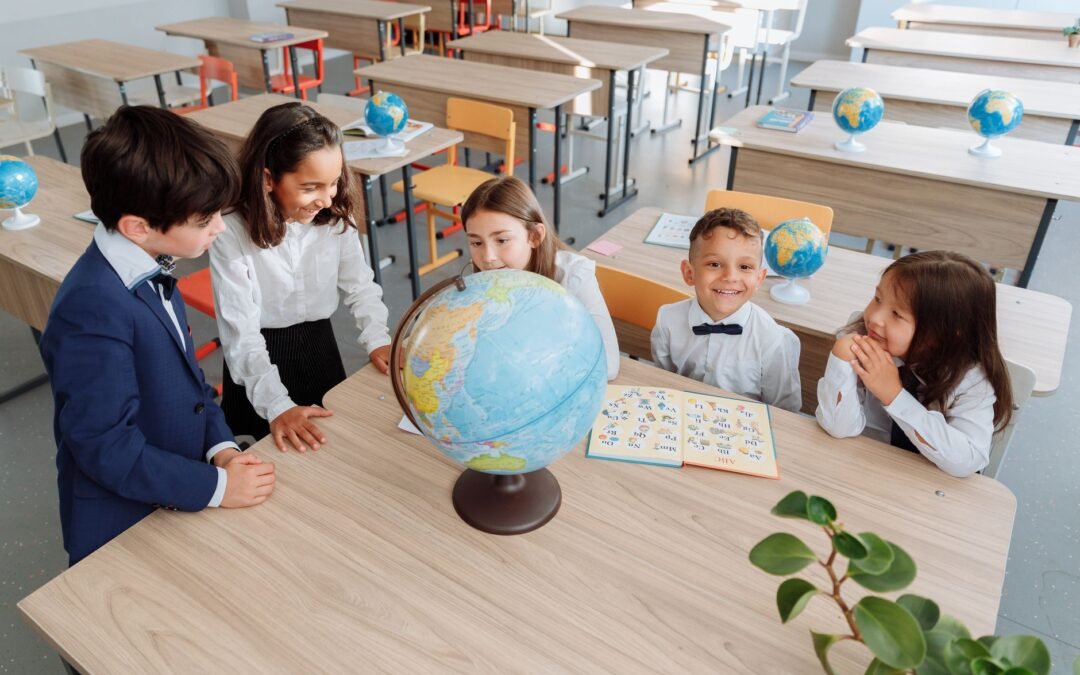
Bilingual education has become a pivotal element in modern educational systems, particularly in diverse societies. This article explores the numerous advantages of bilingual education for children, making it a valuable resource for parents, educators, and policymakers interested in fostering language skills and cognitive development. Understanding the benefits can help in making informed decisions about incorporating bilingual programs in schools.
We will delve into how bilingual education enhances cognitive abilities, cultural awareness, and academic performance. Additionally, the article will address common misconceptions and provide insights into practical implications for families in the United States. Whether you’re a parent considering bilingual education for your child or an educator seeking to implement such programs, this comprehensive guide covers essential aspects of bilingual learning.
Key Facts
- According to the American Council on the Teaching of Foreign Languages, bilingual children often outperform monolingual peers in problem-solving tasks.
- The U.S. Department of Education supports dual-language programs as a means to improve educational outcomes for English Language Learners (ELLs).
- Research indicates that bilingual education can enhance cultural awareness and empathy in children.
- Studies have shown that bilingual individuals may have more career opportunities in a globalized workforce.
- In the United States, approximately 20% of children speak a language other than English at home, highlighting the need for bilingual education.
Cognitive Benefits of Bilingual Education
Bilingual education significantly impacts cognitive development in children. Studies have shown that children who learn multiple languages develop enhanced problem-solving skills and improved memory. This cognitive flexibility stems from the brain’s ability to switch between languages, which strengthens mental agility.
Furthermore, bilingual children often display superior executive function skills, such as attention control, working memory, and cognitive flexibility. These skills are crucial for academic success and everyday decision-making. Research by the American Psychological Association suggests that bilingual individuals tend to have a more robust capacity for multitasking and adaptation to new environments.
Real-world examples include students in dual-language immersion programs who consistently outperform their monolingual peers in standardized tests. These programs not only teach language skills but also enhance overall cognitive abilities, preparing students for complex problem-solving tasks in the future.
Common Misconceptions About Bilingual Education
A prevalent misconception is that bilingual education might confuse children or delay language development. However, evidence suggests the opposite. Bilingual children often reach language milestones at a similar pace to monolingual children. The cognitive benefits gained from bilingual education far outweigh the initial challenges of learning multiple languages simultaneously.
Academic Advantages of Bilingual Education
Bilingual education offers significant academic advantages. Students in bilingual programs often achieve higher levels of academic performance compared to their monolingual peers. This is particularly evident in areas such as mathematics, reading, and writing.
According to a study by the National Education Association, bilingual students develop better reading comprehension skills, as they learn to navigate complex texts in multiple languages. This skill translates into improved performance in other academic subjects, as well.
A comparison of dual-language programs in the United States reveals that these programs help bridge the achievement gap for English Language Learners. By providing instruction in both English and the student’s native language, bilingual education supports language development while ensuring academic content is accessible.
Real-World Implications for Families
For families in the United States, bilingual education can offer children a competitive edge in an increasingly globalized world. Multilingualism opens doors to diverse career opportunities and fosters a deeper understanding of different cultures. Parents considering bilingual education for their children may find that it not only enhances academic performance but also enriches their children’s personal growth and cultural awareness.
Cultural Awareness and Empathy
One of the key benefits of bilingual education is the promotion of cultural awareness and empathy. By learning a second language, children gain insight into different cultures and perspectives, fostering a sense of global citizenship.
In bilingual classrooms, students are exposed to diverse cultures and traditions, which broadens their worldview and encourages respect for differences. This cultural immersion helps children develop empathy and understanding, essential traits in today’s interconnected world.
The United States, with its diverse population, provides an ideal environment for bilingual education to thrive. Programs that integrate cultural studies alongside language instruction help students appreciate their own cultural heritage while respecting others.
Comparison: Bilingual Education in the United States vs. Other Countries
While the United States has made significant strides in promoting bilingual education, countries like Canada and Finland have long been leaders in implementing successful bilingual programs. In Canada, for instance, bilingual education is a standard part of the curriculum, with students learning both English and French from an early age.
These international examples highlight the potential of bilingual education to foster inclusive societies and enhance educational outcomes. Learning from these models can help improve bilingual education programs in the United States, ensuring that more children benefit from learning multiple languages.
Challenges and Solutions in Bilingual Education
Despite the numerous benefits, bilingual education faces several challenges, including a shortage of qualified teachers and limited resources. Schools may struggle to find educators proficient in both languages and trained in dual-language instruction.
To address these challenges, educational institutions can invest in teacher training programs and partnerships with international organizations to recruit bilingual educators. Additionally, leveraging technology and digital resources can supplement traditional classroom instruction, making bilingual education more accessible.
According to the U.S. Department of Education, community involvement and support from local governments are crucial in overcoming these challenges. By fostering a collaborative approach, schools can create a supportive environment for bilingual education to flourish.
Practical Implications for Educators
Educators play a vital role in the success of bilingual education programs. By adopting inclusive teaching strategies and culturally relevant curricula, teachers can create engaging learning experiences for students. Professional development opportunities focused on bilingual education can equip teachers with the skills needed to support language learners effectively.
People Also Ask
What are the long-term benefits of bilingual education for children?
Bilingual education offers numerous long-term benefits, including enhanced cognitive abilities, improved academic performance, and increased cultural awareness. Bilingual individuals often have better problem-solving skills and cognitive flexibility, allowing them to adapt to diverse environments. Additionally, multilingualism opens doors to global career opportunities and fosters a deeper understanding of different cultures. These skills and experiences contribute to personal and professional growth, making bilingual education a valuable investment in a child’s future.
How does bilingual education impact a child’s cultural awareness?
Bilingual education significantly enhances a child’s cultural awareness by exposing them to different languages, traditions, and perspectives. Through language learning, children gain insights into diverse cultures, fostering empathy and respect for others. Bilingual programs often incorporate cultural studies, helping students appreciate their own heritage while understanding global diversity. This cultural immersion promotes a sense of global citizenship and prepares children to thrive in an interconnected world, where appreciation and understanding of cultural differences are crucial.
Are there any challenges associated with implementing bilingual education programs?
Implementing bilingual education programs can pose challenges, such as a shortage of qualified bilingual teachers and limited resources. Schools may struggle to find educators proficient in both languages and trained in dual-language instruction. To address these issues, educational institutions can invest in teacher training programs and partnerships with international organizations to recruit bilingual educators. Additionally, leveraging technology and digital resources can supplement traditional classroom instruction. Community involvement and support from local governments are also essential in overcoming these challenges, ensuring the success of bilingual education programs.
How does bilingual education compare between the United States and Canada?
Bilingual education in the United States and Canada differs in terms of implementation and cultural integration. In Canada, bilingual education is a standard part of the curriculum, with students learning both English and French from an early age. This approach reflects Canada’s commitment to promoting linguistic diversity and cultural inclusivity. In contrast, the United States has made strides in promoting bilingual education, but programs vary widely across states. Learning from Canada’s successful model can help improve bilingual education programs in the United States, ensuring that more children benefit from learning multiple languages and gaining cultural insights.
Key Takeaways
- Bilingual education enhances cognitive abilities, including problem-solving skills and memory.
- Students in bilingual programs often achieve higher academic performance compared to monolingual peers.
- Bilingual education promotes cultural awareness and empathy, essential traits in today’s globalized world.
- Challenges in bilingual education include a shortage of qualified teachers and limited resources.
- Collaborative efforts and community support are crucial for the success of bilingual education programs.
Conclusion
In summary, bilingual education offers numerous benefits for children, from cognitive and academic advantages to increased cultural awareness. By investing in bilingual programs, educators and policymakers can equip students with the skills needed to succeed in a globalized world. If you’re considering bilingual education for your child, exploring local programs and resources is a valuable first step. Embrace the opportunity to enrich your child’s educational journey through the power of language learning.