
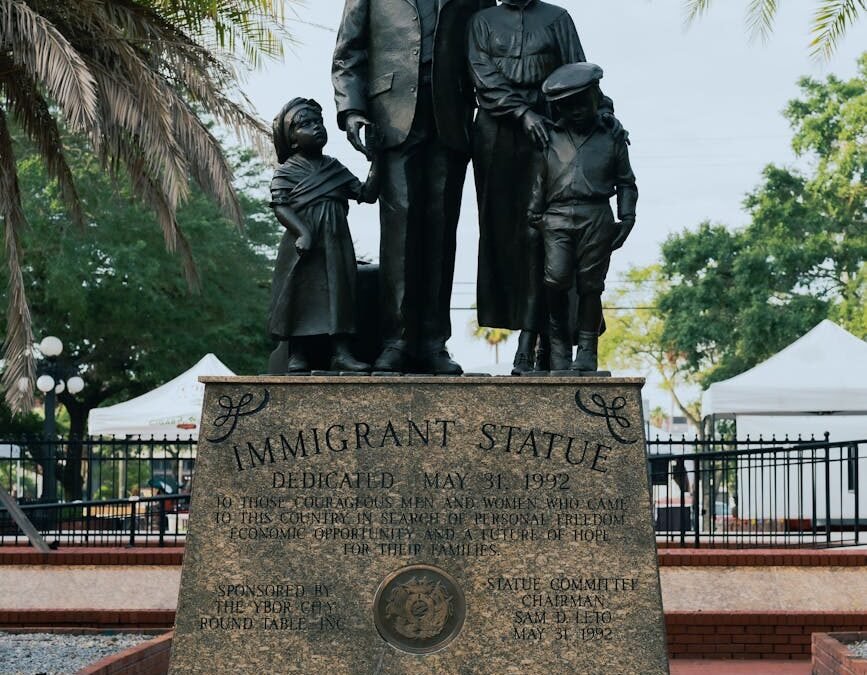

Immigration, Refugees and Citizenship Canada (IRCC) plays a pivotal role in shaping Canada’s immigration landscape. With a focus on fostering economic growth and providing humanitarian support, IRCC’s policies are set to address diverse needs, from temporary work permits to refugee resettlement. This comprehensive approach aims to support Canada’s demographic and economic objectives while maintaining its commitment to global humanitarian efforts.
Key Facts
- IRCC administers immigration programs, citizenship services, and refugee protection.
- Special measures are in place for regions like Gaza, Haiti, Iran, Sudan, and Ukraine.
- Pathways to permanent residence include Express Entry and sponsorship programs.
- Temporary work permits and study permits are issued by IRCC for various categories.
- IRCC manages the Canadian citizenship process and issues PR cards.
Breaking News Overview
Immigration, Refugees and Citizenship Canada (IRCC) has announced a series of initiatives aimed at refining immigration processes and adapting to global challenges. These measures are designed to enhance Canada’s immigration system, with particular attention to economic migrants and refugees from conflict zones. According to IRCC, these efforts are integral to maintaining Canada’s status as a destination of choice for immigrants and refugees alike.
Detailed Breakdown
The IRCC’s initiatives encompass a wide array of programs targeting different demographic groups. For temporary residents, the IRCC provides electronic travel authorizations (eTAs) and visitor visas, facilitating easier access for tourists and business travelers. Additionally, the IRCC has intensified focus on pathways to permanent residence through the Express Entry system and family sponsorship.
Temporary and Permanent Pathways
Temporary work permits, including the Post-graduation Work Permit (PGWP) and International Experience Canada (IEC), are crucial for meeting labor market needs. The IRCC also supports international students by issuing study permits for those attending designated learning institutions (DLIs). These programs are aligned with Canada’s economic growth strategies by attracting skilled workers and future citizens.
Humanitarian Efforts
In response to global crises, IRCC has implemented special measures for regions such as Gaza, Haiti, Iran, Sudan, and Ukraine. These efforts include facilitating asylum claims and resettlement processes to provide safe haven for refugees. The IRCC’s commitment to humanitarian values is further evidenced by its comprehensive support for newcomers, including job search assistance and access to public services.
Who This Affects
The IRCC’s policies and programs have widespread implications for various groups. Potential immigrants, including skilled workers and family members, stand to benefit from more streamlined processes. International students and temporary workers will find enhanced opportunities and support for transitioning to permanent residency. Refugees and asylum seekers can expect continued assistance in resettlement efforts.
- Skilled workers benefit from expedited Express Entry processes.
- International students receive greater support through study permits.
- Refugees gain access to comprehensive resettlement programs.
- Temporary workers find pathways to permanent residency more accessible.
Key Takeaways
The IRCC’s strategic initiatives are set to have far-reaching impacts on Canada’s demographic and economic landscape. By enhancing immigration pathways and providing robust support for refugees, IRCC is ensuring Canada’s continued growth and adherence to its humanitarian commitments. These measures are anticipated to strengthen Canada’s global standing as a welcoming and diverse nation.
What This Means
The IRCC’s approach to immigration is significant for Canada’s future. By implementing these initiatives, Canada is poised to attract a diverse array of immigrants, bolstering the workforce and supporting economic objectives. The IRCC’s focus on humanitarian support underscores Canada’s commitment to global issues, providing refuge to those in need.
In practical terms, these policies mean enhanced opportunities for skilled labor, international students, and family reunification. Refugees will find Canada a viable option for resettlement, reinforcing the nation’s role in global humanitarian efforts. As these programs evolve, stakeholders should anticipate continued refinement and adaptation to meet emerging challenges.