
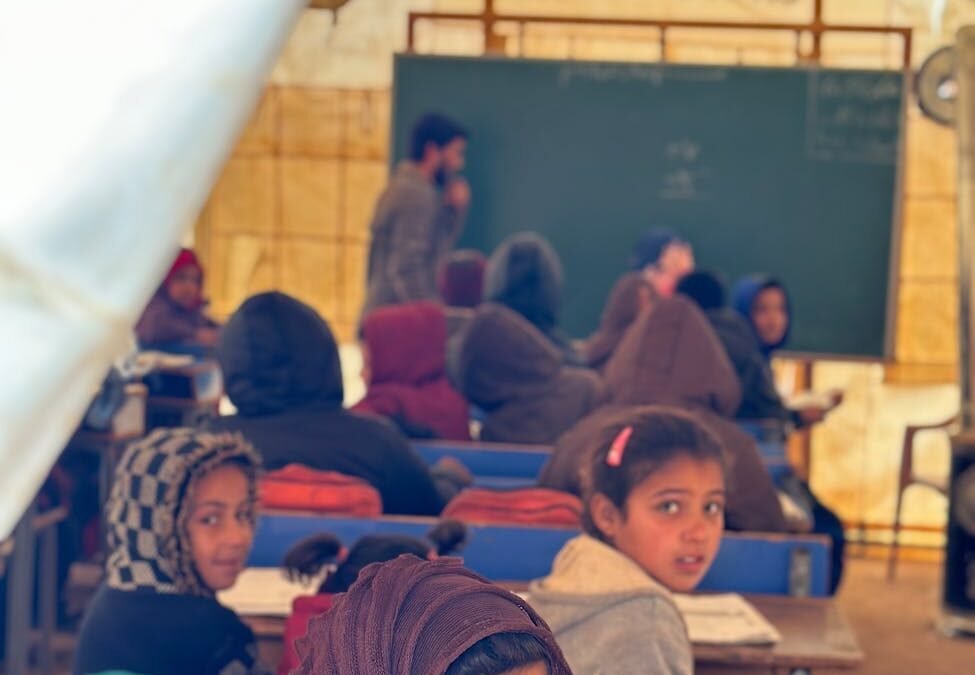
In recent years, the integration of technology into refugee education has emerged as a vital strategy for enhancing learning opportunities among displaced communities. This article explores the role of innovative tech solutions in providing quality education to refugee learners, focusing on the Canadian context. Aimed at educators, policymakers, and tech developers, this guide offers insights into how technology can bridge educational gaps and promote holistic development in refugee populations.
We will delve into various aspects of technology’s impact on refugee education, including online learning platforms, AI-driven personalized experiences, and the psycho-social benefits of digital tools. Whether you’re involved in education, technology development, or humanitarian work, this article provides a comprehensive overview of how tech innovations can support equitable education for forcibly displaced persons.
Key Facts
- In Canada, approximately 30,000 refugees arrive each year, many of whom require educational support.
- According to the United Nations High Commissioner for Refugees (UNHCR), there are over 26 million refugees worldwide, with half being children.
- Online learning platforms have been increasingly adopted to provide education to refugee learners in remote areas.
- AI-driven education platforms offer personalized learning experiences tailored to individual needs.
- Innovative technology solutions have been shown to improve literacy learning and resilience among refugee students.
The Role of Technology in Refugee Education
Technology has revolutionized the way education is delivered, especially for refugee learners who face unique challenges. Online learning platforms have become a crucial tool in providing access to quality education for those residing in refugee camps or remote areas. These platforms can offer courses in multiple languages, catering to the diverse linguistic backgrounds of refugees.
AI-driven education platforms are another significant advancement, allowing for personalized learning experiences. By analyzing students’ progress and adapting to their learning pace, these platforms ensure that each learner can achieve their full potential. This approach not only enhances academic skills but also supports psycho-social well-being by building confidence and resilience.
Furthermore, technology in refugee education supports holistic development by incorporating elements such as digital literacy and critical thinking. These skills are essential for refugees as they integrate into new societies and navigate complex environments. Programs that focus on holistic development prepare learners not just academically, but also for real-world challenges.
Real-world examples of successful tech integration in refugee education include initiatives in Canada where schools and NGOs collaborate to provide digital tools and resources to refugee students. These efforts have demonstrated significant improvements in literacy learning and overall educational outcomes.
Challenges and Solutions in Implementing Tech for Refugee Education
While the benefits of incorporating technology into refugee education are clear, several challenges remain. Access to reliable internet and digital devices can be limited in refugee camps, hindering the effectiveness of online learning. To address this, partnerships between governments, NGOs, and tech companies are essential to provide the necessary infrastructure and resources.
Another challenge is the need for culturally relevant and inclusive content. Educational materials must be tailored to reflect the diverse backgrounds and experiences of refugee learners. This requires collaboration with educators and community leaders to ensure that the content is both engaging and appropriate.
Training educators to effectively use technology in their teaching is also crucial. Professional development programs can equip teachers with the skills needed to integrate digital tools into their lessons, maximizing the impact of technology on student learning.
Impact of EdTech on Refugee Learners
EdTech has the potential to transform the educational landscape for refugee learners by providing access to a wealth of resources and learning opportunities. Online learning platforms enable students to continue their education despite disruptions caused by displacement. These platforms often include interactive features that engage students and enhance learning experiences.
In addition to academic benefits, EdTech supports the psycho-social well-being of refugee learners. Digital platforms can offer safe spaces for students to connect with peers and mentors, fostering a sense of community and belonging. This is particularly important for young refugees who may feel isolated in new environments.
Furthermore, EdTech promotes resilience by equipping students with the skills needed to adapt to changing circumstances. Programs that focus on problem-solving, critical thinking, and digital literacy prepare learners for future challenges and opportunities.
Canada has been at the forefront of implementing EdTech solutions for refugee education, with initiatives that have successfully integrated technology into classrooms and community centers. These programs serve as models for other countries seeking to enhance educational outcomes for refugee populations.
People Also Ask
How does technology improve education for refugees?
Technology improves education for refugees by providing access to online learning platforms and digital resources that are often unavailable in traditional settings. These platforms offer flexible, personalized learning experiences that cater to the diverse needs of refugee students. Additionally, technology supports the development of essential skills such as digital literacy and critical thinking, which are crucial for integration into new societies. By facilitating remote learning, technology ensures that education continues uninterrupted, even in challenging circumstances.
What are the challenges of implementing technology in refugee education?
Implementing technology in refugee education faces several challenges, including limited access to digital devices and internet connectivity. Additionally, there is a need for culturally relevant content that reflects the diverse backgrounds of refugee learners. Training educators to effectively use technology in their teaching is also a significant challenge. Overcoming these obstacles requires collaboration between governments, NGOs, and tech companies to provide the necessary infrastructure, resources, and professional development opportunities.
What role does AI play in refugee education?
AI plays a crucial role in refugee education by offering personalized learning experiences that adapt to individual student needs. AI-driven platforms can analyze student progress and tailor lessons to their learning pace, ensuring that each learner can achieve their full potential. This personalized approach enhances academic skills and supports psycho-social well-being by building confidence and resilience. AI also enables educators to track student performance and identify areas for improvement, leading to more effective teaching strategies.
How can EdTech support the psycho-social well-being of refugee learners?
EdTech supports the psycho-social well-being of refugee learners by providing safe and interactive online environments where students can connect with peers and mentors. These platforms foster a sense of community and belonging, which is essential for young refugees adjusting to new environments. EdTech also promotes resilience by equipping students with problem-solving and critical thinking skills, preparing them for future challenges. Additionally, engaging digital content can boost confidence and motivation, contributing to overall well-being.
What are some examples of successful tech integration in refugee education?
Successful tech integration in refugee education can be seen in initiatives across Canada, where schools and NGOs collaborate to provide digital tools and resources to refugee students. These programs have demonstrated significant improvements in literacy learning and overall educational outcomes. For example, partnerships with tech companies have enabled the distribution of tablets and laptops to students, while online platforms offer courses in multiple languages. These efforts serve as models for other countries seeking to enhance educational opportunities for refugee populations.
Conclusion
Innovative tech solutions have the potential to revolutionize refugee education by providing access to quality learning experiences that cater to the unique needs of displaced communities. In Canada and beyond, the integration of technology into education systems has demonstrated significant benefits in terms of academic achievement, psycho-social well-being, and holistic development. As we continue to explore the role of technology in enhancing education for refugees, it is essential to address challenges such as infrastructure, content relevance, and educator training. By doing so, we can ensure that all refugee learners have the opportunity to thrive in their new environments.
Key Takeaways
- Technology provides access to quality education for refugee learners through online platforms and digital resources.
- AI-driven education platforms offer personalized learning experiences, enhancing academic skills and psycho-social well-being.
- Successful tech integration in refugee education requires collaboration between governments, NGOs, and tech companies.
- EdTech supports holistic development by promoting digital literacy, critical thinking, and resilience among refugee students.
- Canada has been a leader in implementing innovative tech solutions for refugee education, serving as a model for other countries.
For educators, policymakers, and tech developers interested in supporting refugee education, exploring partnerships and investing in technology can make a significant difference. Embrace the potential of innovative tech solutions to transform learning for displaced communities and contribute to a brighter future for all.