
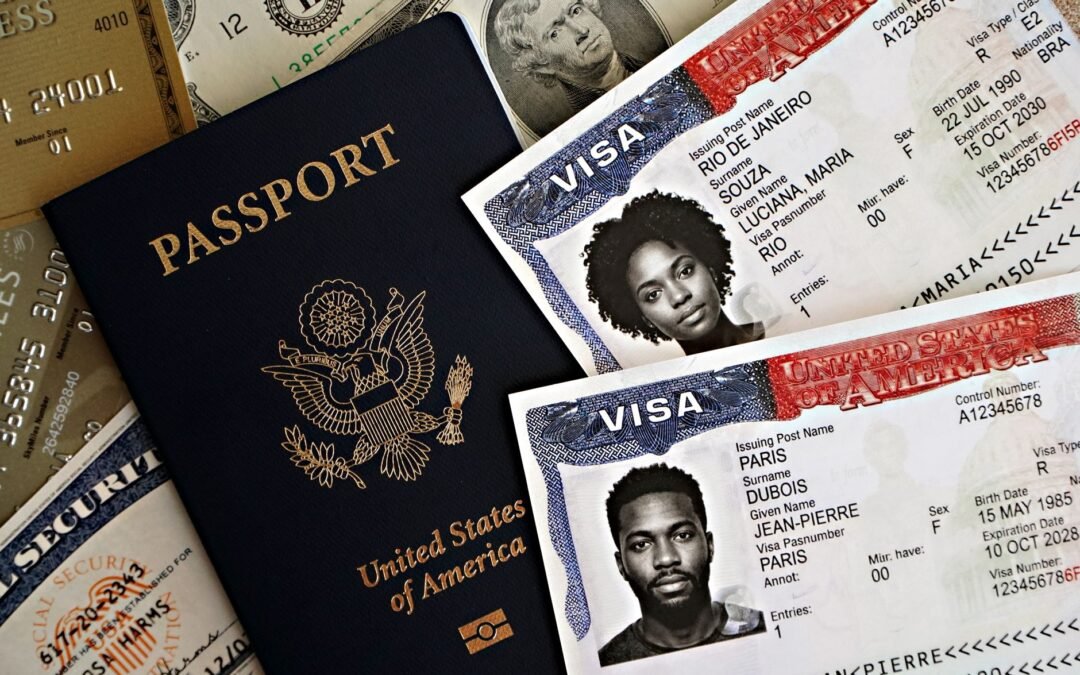
In an era where technology is reshaping industries, digital immigration services have emerged as a transformative force. These services offer numerous benefits, streamlining processes for immigrants and consultants alike. This article delves into the advantages of digital immigration services and how they are revolutionizing the immigration landscape, particularly in the United States.
Whether you’re an immigrant seeking a smoother application process or a consultant aiming to enhance client services, understanding the impact of digital solutions is crucial. We will explore key facts, practical implications, and common misconceptions surrounding digital immigration services.
Key Facts
- Digital immigration services have significantly reduced processing times, with some applications processed up to 50% faster.
- According to a 2026 report, over 70% of immigration processes in the United States are now digital.
- Automated systems have decreased error rates in applications by up to 30%, improving overall accuracy.
- Immigration, Refugees and Citizenship Canada (IRCC) has implemented digital solutions to enhance user experience and accessibility.
- Many digital platforms offer multilingual support, catering to a diverse immigrant population.
Streamlining the Immigration Process
Digital immigration services have revolutionized the traditional application process. By automating workflows, these services reduce the need for physical paperwork, making the process more efficient. For example, online forms and document uploads eliminate mailing delays, allowing applicants to submit their information instantaneously.
In the United States, platforms like USCIS’s online portal offer real-time updates on application statuses. This transparency helps reduce anxiety among applicants, who can track their progress without needing to contact officials directly. Additionally, digital services often include automated reminders for deadlines, ensuring applicants don’t miss critical steps.
A common misconception is that digital services are less secure than traditional methods. In reality, these platforms employ advanced encryption and security protocols, safeguarding sensitive information against unauthorized access. This shift towards digital security has been pivotal in gaining trust among users.
Cost Efficiency and Accessibility
One of the primary benefits of digital immigration services is cost efficiency. By reducing the need for physical resources and manual labor, these services lower operational costs, which can translate into savings for applicants. For instance, many online platforms offer reduced fees compared to traditional application methods.
Accessibility is another significant advantage. Digital platforms are available 24/7, allowing users to access services at their convenience. This flexibility is particularly beneficial for immigrants in different time zones or with varying work schedules. Moreover, many platforms provide multilingual support, ensuring language barriers do not hinder access to essential services.
However, a challenge remains for individuals without reliable internet access. Efforts are being made to address this digital divide by providing community resources and support centers equipped with internet facilities.
Enhancing Accuracy and Reducing Errors
Digital immigration services have drastically improved the accuracy of application submissions. Automated systems check for common errors, such as incomplete forms or missing documents, before submission. This preemptive verification reduces the likelihood of rejections and resubmissions, expediting the overall process.
In the United States, the use of digital tools has been instrumental in minimizing human error. By standardizing processes and utilizing AI-driven checks, these services ensure that applications meet all necessary criteria before reaching immigration officials.
A practical implication for immigrants is the increased likelihood of first-time approval, reducing the emotional and financial burden of repeated applications. This efficiency not only benefits applicants but also alleviates the workload on immigration offices, allowing them to focus on more complex cases.
Improving User Experience
User experience is a critical component of digital immigration services. Platforms are designed to be intuitive, guiding users through each step with clear instructions and support. This user-centric approach has made the immigration process more accessible to a broader audience, including those less familiar with digital tools.
Real-world examples include interactive tutorials and FAQs on official websites, providing immediate assistance and reducing the need for external consultation. Additionally, digital services often incorporate feedback mechanisms, allowing users to suggest improvements and report issues, leading to continuous enhancements.
A common mistake is underestimating the importance of user experience. Poorly designed platforms can lead to frustration and errors, emphasizing the need for ongoing development and user testing.
People Also Ask
What are the main advantages of digital immigration services?
Digital immigration services offer numerous advantages, including increased efficiency, cost savings, and improved accuracy. By automating many aspects of the immigration process, these services reduce the need for physical paperwork and manual labor, leading to faster processing times. Additionally, digital platforms often provide real-time updates and automated reminders, enhancing transparency and reducing the likelihood of missed deadlines. Cost efficiency is another significant benefit, as digital services typically incur lower operational costs, which can translate into savings for applicants. Finally, digital tools improve accuracy by minimizing human error and ensuring that applications meet all necessary criteria before submission.
How do digital immigration services improve accuracy?
Digital immigration services enhance accuracy by employing automated systems to check for common errors in applications. These systems verify the completeness of forms and the presence of necessary documents before submission, reducing the chances of rejection due to missing information. In the United States, digital platforms utilize AI-driven checks to ensure applications meet all requirements, minimizing human error. This increased accuracy leads to a higher likelihood of first-time approval, benefiting both applicants and immigration officials by streamlining the process and reducing the need for resubmissions.
Are digital immigration services secure?
Yes, digital immigration services are secure. These platforms utilize advanced encryption and security protocols to protect sensitive information from unauthorized access. By implementing robust cybersecurity measures, digital services ensure that personal data remains confidential and secure throughout the application process. This focus on digital security has been crucial in building trust among users, who can confidently submit their information online. The transition to secure digital platforms has been a significant factor in the widespread adoption of digital immigration services, offering both convenience and peace of mind to applicants.
Common Misconceptions About Digital Immigration Services
Despite the numerous benefits, several misconceptions about digital immigration services persist. One common belief is that digital platforms are less secure than traditional methods. However, as previously mentioned, these services employ advanced security measures to protect user data.
Another misconception is that digital services are only for tech-savvy individuals. In reality, many platforms are designed with user-friendly interfaces and provide comprehensive support, making them accessible to users of all skill levels.
Lastly, some individuals believe that digital services are impersonal compared to face-to-face consultations. While digital platforms may lack physical interaction, they often offer personalized assistance through chatbots and customer support, ensuring that users receive the help they need.
Key Takeaways
- Digital immigration services significantly reduce processing times and improve efficiency.
- These services enhance accuracy by minimizing human error and verifying application completeness.
- Cost efficiency and accessibility are major benefits, with digital platforms offering 24/7 availability and multilingual support.
- Advanced security measures ensure the protection of sensitive information on digital platforms.
- Common misconceptions include concerns about security, accessibility, and personalization, all of which are addressed by modern digital services.
Conclusion
Digital immigration services are transforming the immigration process, offering numerous benefits such as increased efficiency, improved accuracy, and enhanced user experience. As technology continues to evolve, these services will likely become even more integral to the immigration landscape. For those navigating the immigration process, embracing digital solutions can lead to a smoother and more efficient experience. Explore the available platforms and take advantage of the resources they offer to streamline your journey. For more detailed guidance, consider consulting with an immigration expert familiar with digital services.