
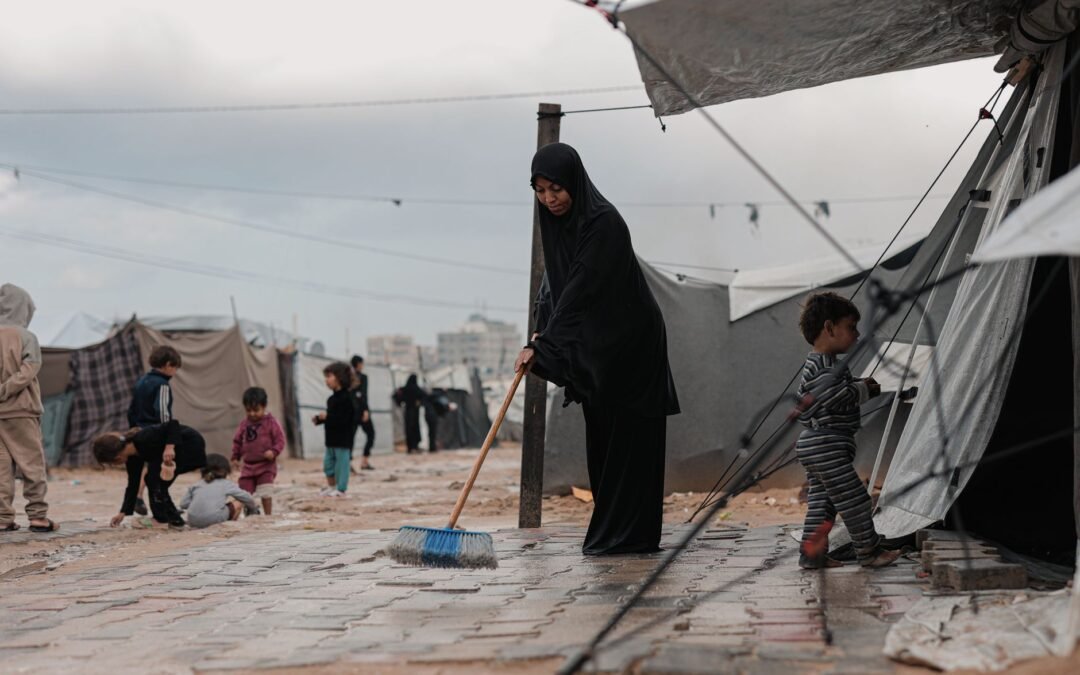
Canada is known for its welcoming stance towards refugees and asylum seekers. However, the terms “refugee claim” and “asylum” are often used interchangeably, leading to confusion. This article aims to clarify the distinction between the two, providing valuable insights for those considering seeking protection in Canada. Whether you are a refugee claimant or someone interested in Canada’s immigration policies, this guide will help you navigate the complexities of the refugee determination system.
We’ll explore the processes involved in making a refugee claim versus seeking asylum, highlight key differences, and discuss the implications for individuals looking to immigrate to Canada. Understanding these nuances is crucial for anyone involved in or affected by Canada’s refugee protection mechanisms.
Key Facts
- The term “refugee claim” refers to a request for protection made from within Canada, according to the Immigration and Refugee Protection Act.
- Asylum refers to protection granted to individuals who have been recognized as refugees, often through international agreements like the UNHCR.
- Refugee claims are adjudicated by the Immigration and Refugee Board of Canada (IRB), which determines the validity of the claim.
- Canada’s refugee determination system involves a hearing with the Refugee Protection Division (RPD) to assess claims.
- According to official guidelines, the refugee claim process can vary in length, but most claims are processed within a few months.
The Refugee Claim Process in Canada
In Canada, a refugee claim is initiated when an individual already present in the country requests protection. This process is governed by the Immigration and Refugee Protection Act and involves several steps. Initially, claimants must submit their application to the Immigration, Refugees and Citizenship Canada (IRCC) or the Canada Border Services Agency (CBSA) at a Canadian airport or land border.
Once the application is submitted, the claimant will receive a hearing date with the Refugee Protection Division (RPD) of the Immigration and Refugee Board of Canada (IRB). During this hearing, claimants must present evidence supporting their need for protection. The RPD assesses whether the claimant qualifies as a “Convention refugee” or a “person in need of protection.”
It’s important to note that the refugee claim process is distinct from seeking asylum, which typically involves international protection mechanisms. Refugee claims are specifically for those already in Canada seeking protection from persecution, torture, or risk to life in their home country.
Common misconceptions about the refugee claim process include the belief that it guarantees permanent residency. While successful claimants may eventually apply for permanent residency, the initial claim is solely for protection purposes.
Real-World Example
A common scenario involves individuals arriving at a Canadian airport and declaring their intention to make a refugee claim. They are then directed to complete the necessary paperwork and attend a hearing with the RPD. This process highlights the importance of understanding the distinction between refugee claims and asylum, as the former is a domestic process while the latter is often an international one.
Asylum and International Protection
Asylum, in the context of international law, refers to the protection granted to individuals who have been recognized as refugees. The United Nations High Commissioner for Refugees (UNHCR) plays a crucial role in identifying and supporting refugees worldwide, often facilitating resettlement in countries like Canada.
Asylum seekers typically apply for protection from outside their home country, often through UNHCR or other international bodies. Once recognized as refugees, they may be resettled in Canada through programs such as the Government-Assisted Refugees Program or the Economic Mobility Pathways Pilot, although the latter is currently closed.
Unlike refugee claimants, asylum seekers are usually not present in Canada when they apply for protection. This distinction is vital for understanding the different pathways to safety and security provided by Canada’s immigration system.
Comparison: Refugee Claim vs. Asylum
| Aspect | Refugee Claim | Asylum |
|---|---|---|
| Location of Application | Within Canada | Outside Home Country |
| Decision Maker | IRB’s Refugee Protection Division | UNHCR or other international bodies |
| Process | Domestic legal process | International recognition and resettlement |
| Outcome | Protection within Canada | Resettlement in a third country |
Implications for Immigrants
Understanding the difference between a refugee claim and asylum is crucial for immigrants seeking protection in Canada. The choice between these two options can significantly impact the process, timeline, and eventual outcome of their application for protection.
For those already in Canada, making a refugee claim is often the most viable option. It allows individuals to seek protection without leaving the country, providing a sense of immediate safety. However, the process can be lengthy and complex, requiring thorough preparation and evidence gathering.
On the other hand, asylum seekers typically have to navigate international processes and may face longer wait times for resettlement. However, once recognized as refugees, they often receive comprehensive support, including temporary health care and access to free newcomer services in Canada.
It is essential for immigrants to weigh these factors carefully and seek legal advice to determine the best course of action based on their circumstances.
Common Misconceptions and Mistakes
One common misconception is that all refugees in Canada are asylum seekers. In reality, many are refugee claimants who have sought protection from within the country. This misunderstanding can lead to confusion about eligibility and the steps involved in each process.
Another mistake is assuming that a successful refugee claim automatically leads to permanent residency. While it is a step towards that goal, additional applications and requirements must be met to achieve permanent residency status.
Additionally, some individuals mistakenly believe that Canada has an open-door policy for all asylum seekers. While Canada is welcoming, it has specific criteria and processes that must be followed to ensure fairness and equity in adjudicating claims.
People Also Ask
What is the difference between a refugee claim and asylum in Canada?
The primary difference between a refugee claim and asylum in Canada lies in where and how the protection is sought. A refugee claim is made by individuals already in Canada who seek protection under the Immigration and Refugee Protection Act. This involves a domestic process where the claimant attends a hearing with the Refugee Protection Division (RPD) of the Immigration and Refugee Board of Canada (IRB). In contrast, asylum typically involves international protection mechanisms, where individuals seek recognition and resettlement as refugees outside their home country, often through organizations like the UNHCR.
How does the refugee determination system work in Canada?
Canada’s refugee determination system is designed to assess and provide protection to individuals who meet the criteria of a “Convention refugee” or a “person in need of protection.” The process begins when a refugee claim is submitted to the IRCC or CBSA. Claimants then attend a hearing with the RPD, where they must present evidence of their need for protection. The RPD evaluates the claim based on legal criteria and decides whether to grant protection. Successful claimants may eventually apply for permanent residency, but the initial process is solely focused on protection.
Can asylum seekers apply from within Canada?
Asylum seekers typically apply for protection from outside their home country, often through international bodies like the UNHCR. However, once resettled in Canada, they receive protection and support similar to that of successful refugee claimants. Those already in Canada seeking protection must make a refugee claim rather than applying for asylum. This distinction is important to understand, as the processes and requirements differ significantly between domestic refugee claims and international asylum applications.
Key Takeaways
- The refugee claim process in Canada is distinct from seeking asylum and involves applying for protection from within the country.
- Asylum is an international protection mechanism, often facilitated by the UNHCR, for individuals seeking resettlement outside their home country.
- Refugee claims are adjudicated by the IRB’s Refugee Protection Division, which assesses the need for protection based on specific criteria.
- Understanding the differences between these processes is crucial for immigrants seeking protection in Canada and can impact the outcome of their application.
- Common misconceptions include confusing refugee claims with asylum and assuming automatic permanent residency upon a successful claim.
Conclusion
Understanding the difference between a refugee claim and asylum in Canada is essential for anyone navigating the country’s immigration system. Both processes offer pathways to protection, but they differ significantly in terms of application, process, and outcome. By clearly understanding these distinctions, individuals can make informed decisions about their options and ensure they take the appropriate steps to seek protection in Canada.
If you are considering making a refugee claim or seeking asylum, it is advisable to consult with legal experts or immigration advisors to explore your options and understand the requirements. Taking informed action can significantly impact your journey towards safety and security in Canada.